
The Interplay of Beauty and Well-Being: Understanding the Psychological Impact of Aesthetic Treatments
In today’s world, where physical appearance often influences self-perception and social interactions, aesthetic treatments have gained immense popularity. Beyond the visible changes they bring, these treatments can significantly impact an individual’s mental and emotional well-being. As a plastic surgeon, I have witnessed firsthand how aesthetic enhancements can lead to profound psychological benefits, promoting self-esteem, confidence, and over-all happiness.
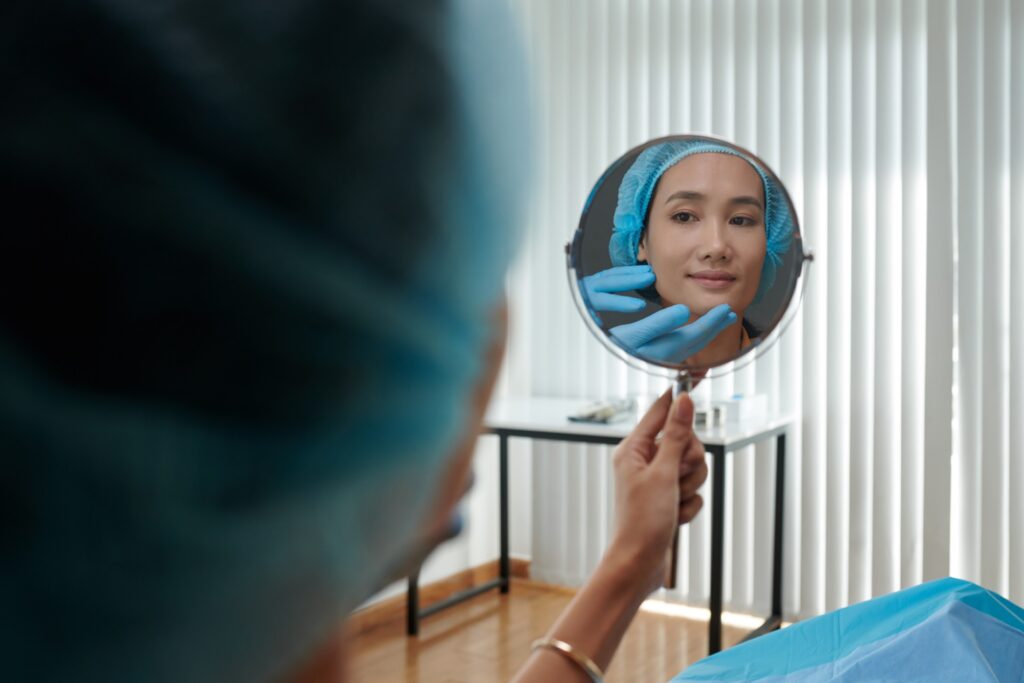
The Science Behind the Smile: Boosting Self-Esteem and Confidence
Aesthetic treatments, ranging from minimally invasive procedures like Botox and dermal fillers to surgical interventions like rhinoplasty and breast augmentation, can play a pivotal role in boosting self-esteem and confidence. These treatments address specific concerns that individuals may have about their appearance, helping them feel more comfortable and satisfied with how they look.
Enhancing Self-Esteem
Self-esteem is deeply intertwined with how we perceive ourselves and how we believe others perceive us. When individuals are unhappy with a particular aspect of their appearance, it can lead to feelings of inadequacy and low self-worth. Aesthetic treatments can help address these concerns, leading to a more positive self-image. For example, correcting a facial asymmetry or enhancing a feature that one feels self-conscious about can result in a significant boost in self-esteem. When individuals feel better about their appearance, it often translates into a more positive overall outlook on life.
Building Confidence
Confidence is not just about how we feel inside; it also affects how we present ourselves to the world. Aesthetic treatments can empower individuals to put their best foot forward, free from the insecurities that may have held them back. Whether it’s smoothing out wrinkles, contouring the body, or rejuvenating the skin, these treatments can provide a renewed sense of confidence. This newfound confidence can influence various aspects of life, from personal relationships to professional endeavors, fostering a more fulfilling and engaged life experience.

The Mind-Body Connection: Reducing Anxiety and Depression
The psychological benefits of aesthetic treatments extend beyond self-esteem and confidence. These treatments can also have a significant impact on mental health, particularly in reducing symptoms of anxiety and depression. When individuals feel dissatisfied with their appearance, it can lead to persistent negative thoughts and emotions, contributing to mental health challenges.
Alleviating Anxiety
For many individuals, appearance-related concerns can be a source of constant anxiety. They may worry about how others perceive them or feel self-conscious in social situations. Aesthetic treatments can alleviate these anxieties by addressing the specific concerns that trigger them. For instance, individuals who undergo treatments for acne scars or hyperpigmentation often report feeling more at ease in social interactions, no longer preoccupied with how their skin looks. This reduction in anxiety can enhance overall mental well-being, allowing individuals to engage more fully in their daily lives.
Mitigating Depression
Chronic dissatisfaction with one’s appearance can also contribute to feelings of depression. Individuals may withdraw from social activities, experience low energy, and struggle with a pervasive sense of sadness. By improving the aspects of their appearance that cause distress, aesthetic treatments can help lift the emotional burden these individuals carry. The positive changes in appearance can serve as a catalyst for improved mood and increased social engagement, fostering a more positive mental state.

The Empowerment of Choice: Promoting Autonomy and Personal Satisfaction
Aesthetic treatments offer individuals the opportunity to make choices about their bodies and their appearance. This sense of agency and control can be incredibly empowering, promoting personal satisfaction and a sense of autonomy.
Exercising Autonomy
In a world where societal standards of beauty can feel oppressive, aesthetic treatments provide a means for individuals to define beauty on their own terms. By choosing to undergo a treatment, individuals take an active role in shaping their appearance, which can be a powerful affirmation of their autonomy. This sense of control over one’s body and image can lead to greater personal satisfaction and a stronger sense of self.
Achieving Personal Satisfaction
The decision to undergo an aesthetic treatment is deeply personal and varies from individual to individual. For some, it might be about correcting a feature that has always caused them discomfort, while for others, it might be about enhancing their natural beauty as they age. Regardless of the reason, the end result is often a heightened sense of personal satisfaction. When individuals feel good about how they look, it can enhance their overall quality of life, making everyday experiences more enjoyable and rewarding.

The Role of the Surgeon: Ensuring Ethical and Holistic Care
While the psychological benefits of aesthetic treatments are significant, it is crucial to approach these procedures with a sense of responsibility and ethical consideration. As a plastic surgeon, my role is to ensure that patients are making informed decisions and that their expectations are realistic. This involves thorough consultations, understanding the motivations behind seeking treatment, and providing comprehensive care that addresses both physical and psychological needs.
Informed Decisions
Educating patients about the potential outcomes, risks, and benefits of aesthetic treatments is essential. Patients should have a clear understanding of what to expect, enabling them to make informed choices that align with their goals and values. This transparency fosters trust and ensures that patients are fully aware of the implications of their decisions.
Addressing Psychological Needs
Recognizing the psychological aspects of aesthetic treatments is equally important. This involves assessing patients for underlying mental health concerns, such as body dysmorphia, and referring them to appropriate mental health professionals if needed. By addressing these psychological needs, we can ensure that aesthetic treatments contribute positively to a patient’s overall well-being.
Providing Comprehensive Care
A holistic approach to aesthetic treatments considers the patient’s overall health and well-being. This means taking into account factors such as lifestyle, skin health, and personal preferences. By offering personalized treatment plans that prioritize patient safety and satisfaction, we can achieve outcomes that enhance both physical appearance and mental health.
Embracing a Balanced Perspective: Beauty and Well-Being in Harmony
The psychological benefits of aesthetic treatments underscore the profound impact these procedures can have on individuals’ lives. From boosting self-esteem and confidence to reducing anxiety and depression, these treatments offer a pathway to enhanced mental and emotional well-being. However, it is essential to approach aesthetic treatments with a balanced perspective, recognizing that true beauty encompasses far more than physical appearance.
As a plastic surgeon, my goal is to help patients achieve their aesthetic aspirations while promoting a healthy and positive self-image. By combining aesthetic expertise with a holistic approach to patient care, we can ensure that aesthetic treatments contribute to a balanced and fulfilling life. As we continue to navigate the evolving landscape of beauty and well-being, let us celebrate the transformative power of aesthetic treatments and the profound psychological benefits they offer.
Dr. Kentse Moeketsi is a board-certified plastic surgeon dedicated to enhancing patients’ physical appearance and mental well-being. With extensive experience in both cosmetic and reconstructive surgery, Dr. Moeketsi aims to help individuals achieve their aesthetic goals while respecting and celebrating their unique identity.