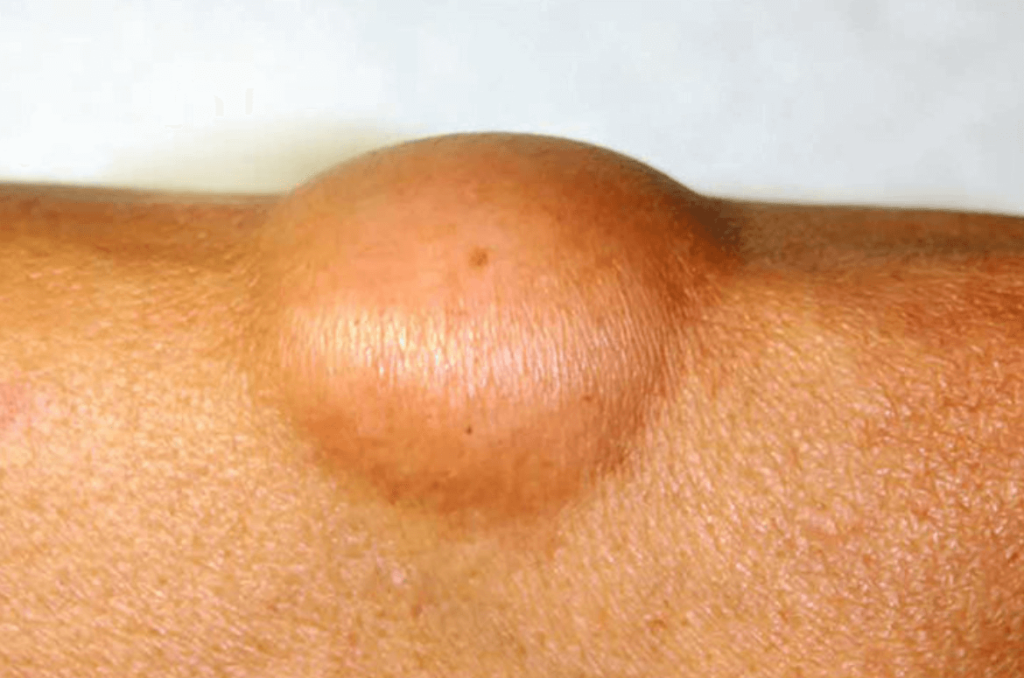
A lipoma is a fatty tumour that can form under the skin. Lipomas are benign tumours, which means that they are not cancerous growths. They are usually painless and do not require treatment. Some people may wish to remove a lipoma due to pain, complications or other symptoms. Some people have concerns about the cosmetic appearance of a lipoma. When they occur on exposed area they can be a cause for concern. They can cause embarrassment and self- consciousness. At Zaria Aesthetics we can remove them with fantastic cosmetic results.
What causes lipomas?
The cause of lipomas are is not fully understood. Some people inherit a gene that can cause one or more lipomas. This rare disorder is known as familial multiple lipomatosis.
Research has also suggested that some lipomas can result from an injury causing substantial impact on the area. Other risk factors for developing a lipoma include obesity, high cholesterol, diabetes, liver disease and glucose intolerance.
What do they look like?
Lipomas are oval shaped lumps found beneath the skin. They are soft and made of fatty tissue. Lipomas vary in size from a small pea sized lump to large lumps that span several centimeters. Lipomas are usually painless and mobile, unless they affect joints, nerves, or blood vessels or are attached to underlying muscle causing pain and restricted movement.
Lipomas can occur anywhere on the body where fat is normally present. They are most common on the upper back, chest, shoulders, abdomen, arms.They can also be found on the thighs or legs.
What treatment is available?
Lipomas are usually harmless. Some people may want to remove lipomas that are large and growing, cause symptoms such as pain or discomfort, for aesthetic reasons, or when the doctor is unable to confirm that it is a lipoma or another type of neoplasm. A lipoma can be removed in several ways. A lipoma can be removed by liposuction.
Dr Kentse Moeketsi will make a small incision and insert a thin hollow cannula to suck the mass of fatty tissue. Lipomas can also be removed by making an incision in the skin and squeezing the fatty tissue out. This procedure can be done under local anaesthesia. Only when lipomas are very large and are attached to deeper tissues is a general anaesthesia required. After surgery the lipoma specimen will be sent to a laboratory for analysis. The operation will often leave a small scar.