
October is Breast Cancer Awareness Month
Understanding Breast Cancer: A Global Challenge
Breast cancer remains one of the most common cancers affecting women globally. According to the World Health Organization (WHO), in 2020, 2.3 million women were diagnosed with breast cancer, and 685,000 women died from the disease. It is a critical health issue that impacts not only patients but also their families and communities.
In South Africa, breast cancer is the leading cancer among women. The latest statistics from the National Cancer Registry (NCR) indicate that breast cancer remains the most prevalent cancer among women in South Africa. According to the 2022 NCR report, breast cancer accounted for 20.4% of all cancers diagnosed in females, with a significant increase in incidence rates over the years.
Although rare, men can also develop breast cancer. Approximately 1% of all breast cancer cases occur in men, and this number is also on the rise.
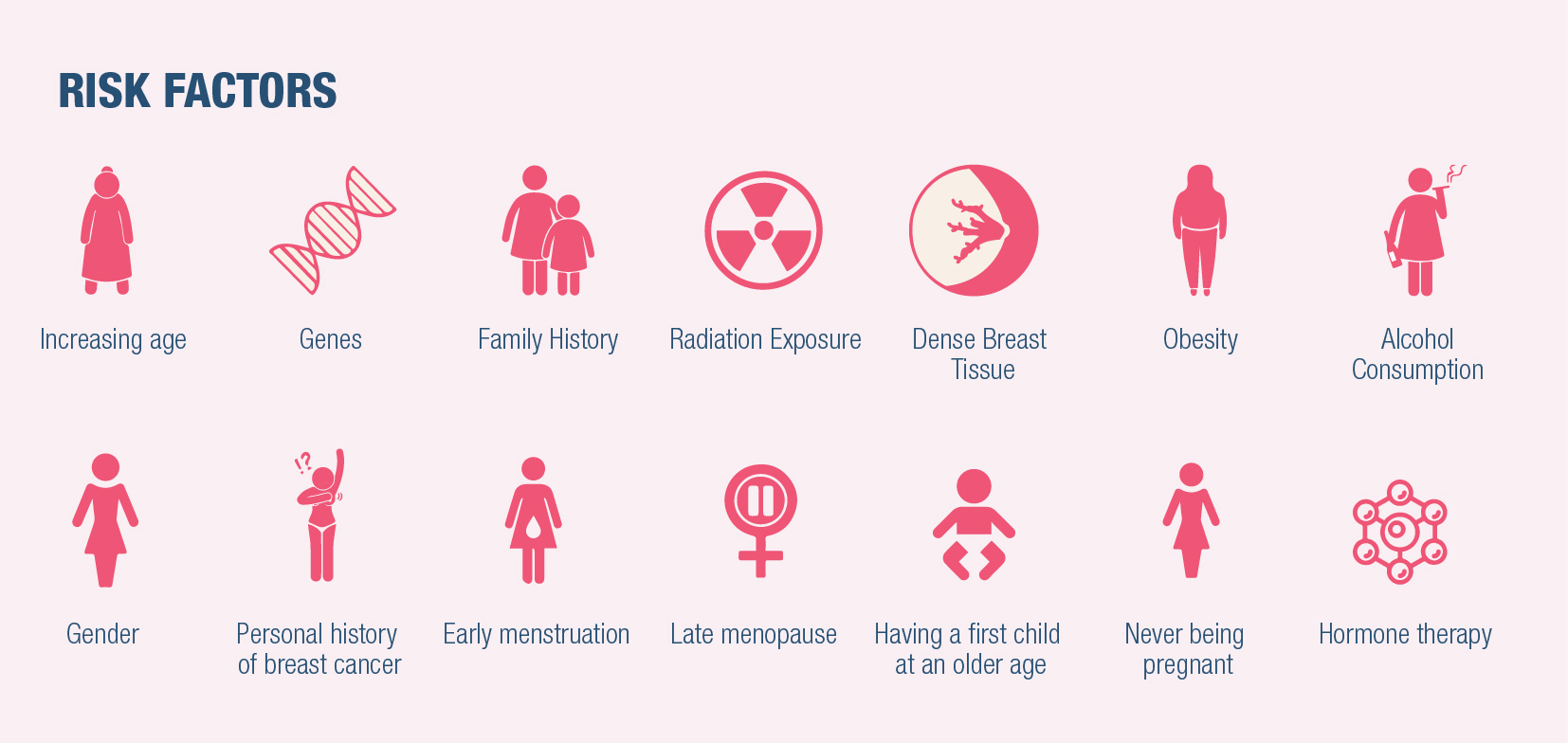
Risk Factors for Breast Cancer
- 1. Gender: Women are significantly more likely to develop breast cancer than men.
- 2. Age: The risk of breast cancer increases with age, particularly after 50.
- 3. Family History and Genetics: A family history of breast cancer, particularly in first-degree relatives (mother, sister, or daughter), increases risk. Genetic mutations, such as BRCA1 and BRCA2, are also associated with a higher risk.
- 4. Personal History: Women who have had breast cancer are at higher risk of developing cancer in the opposite breast.
- 5. Hormone Replacement Therapy (HRT): Long-term use of HRT to manage menopause symptoms is linked to an increased risk of breast cancer.
- 6. Radiation Exposure: Those exposed to radiation treatments in the chest area, especially at a young age, are at higher risk.
- 7. Lifestyle Factors: Smoking, excessive alcohol consumption, being overweight, and a lack of physical activity contribute to increased breast cancer risk.
- 8. Reproductive History: Women who have had children after 30 or who have never given birth may be at slightly higher risk of developing breast cancer.
- 9. Dense Breast Tissue: Women with dense breast tissue may have a higher likelihood of developing breast cancer, and dense tissue can make detection on mammograms more difficult.

The Importance of Early Detection
Early detection is one of the most crucial factors in improving breast cancer outcomes. When detected early, breast cancer is more treatable, patients have better survival rates, and they can explore less aggressive treatment options. Tumors identified at an early stage tend to be smaller, making them easier to manage with surgery and other therapies.
To help with early detection, the American Cancer Society (ACS) offers the following screening guidelines for women at average risk:
- 1. Ages 40-44: Women in this age group can choose to start annual mammograms if they wish after consulting with their healthcare provider about the risks and benefits.
- 2. Ages 45-54: The ACS recommends annual mammograms.
- 3. Ages 55 and Older: Women should switch to mammograms every two years or continue with annual screenings, depending on their personal preference and health provider's recommendations.
The ACS emphasizes that all women should be familiar with the potential benefits, limitations, and harms of breast cancer screening. Women should have the opportunity to make informed choices about screening that are right for them.
In addition to following ACS guidelines, other methods for early detection include:
- Self-Breast Exams: Regular self-examinations allow women to detect any unusual changes, such as lumps, swelling, or changes in skin texture.
- Clinical Breast Exams: During annual check-ups, healthcare providers can perform breast exams to detect any abnormalities
Signs and Symptoms of Breast Cancer
Recognizing the signs and symptoms of breast cancer is crucial for early detection. While not all breast changes are cancerous, any unusual changes should be evaluated by a healthcare provider. Common signs and symptoms include:
1. A Lump or Mass in the Breast or Armpit: The most common sign of breast cancer is a new lump or mass. While most lumps are benign, any persistent, firm, or irregular mass should be examined.
2. Changes in Breast Size or Shape: Sudden changes in the size or shape of one or both breasts could indicate underlying issues.
3. Skin Changes: Dimpling or puckering of the breast skin, resembling the texture of an orange peel, can be a sign of breast cancer.
4. Nipple Discharge: Any discharge from the nipple, especially if it is bloody, should be evaluated.
5. Nipple Changes: Newly inverted nipples or changes in the appearance of the nipple may be a sign of breast cancer.
6. Pain in the Breast: While breast cancer is often painless, persistent discomfort or tenderness should not be ignored.
7. Swelling in Part of the Breast: Even if no lump is felt, swelling in part of the breast can be a warning sign.
8. Redness or Scaling: Unexplained redness, scaling, or skin thickening on the breast or nipple may be an early indicator of cancer.
Breast Cancer Treatment Options
Once breast cancer is diagnosed, treatment options vary based on the type, size, stage, and location of the tumor, as well as the patient’s overall health. Common treatment methods include:
• Surgery: Surgical options include lumpectomy (removal of the tumor and a margin of healthy tissue) and mastectomy (removal of the entire breast).
• Radiation Therapy: This uses high-energy rays to target and kill cancer cells. It is often used after surgery to eliminate remaining cancer cells.
• Chemotherapy: Chemotherapy involves the use of drugs to destroy cancer cells throughout the body. It may be used before or after surgery.
• Hormonal Therapy: Hormone receptor-positive breast cancers can be treated with drugs that block hormones like estrogen and progesterone.
• Targeted Therapy: This treatment focuses on specific genes, proteins, or tissue environments that contribute to cancer growth and survival.

Breast Reconstruction: Restoring Confidence
For many women, the physical and emotional effects of breast cancer surgery, especially mastectomy, can be overwhelming. Breast reconstruction offers the opportunity to restore a sense of wholeness and confidence. Two primary types of breast reconstruction are:
1. Implant-Based Reconstruction: This involves using saline or silicone implants to recreate the shape of the breast. It may require a tissue expander to gradually stretch the skin.
2. Autologous (Flap) Reconstruction: This technique uses tissue from another part of the patient’s body, such as the abdomen, back, or thighs, to reconstruct the breast. This method creates a more natural appearance but involves more complex surgery.
Choosing the Right Reconstruction Option
Choosing the best reconstruction method is a personal decision that depends on various factors, including the patient’s body type, overall health, cancer treatment plan, and personal preferences. As a plastic surgeon, I take the time to discuss all available options with my patients to ensure they understand the benefits and risks of each approach.
It’s important to note that while some women choose to undergo breast reconstruction, others may decide not to. This decision is deeply personal, and every woman should feel supported, regardless of her choice. Some women may opt for prosthetic breasts, while others choose to embrace their new appearance without reconstruction. My goal is to provide a compassionate, understanding environment where women feel empowered to make the decision that is right for them.
Post-Reconstruction Recovery and Support
Empowering Women Through Breast Cancer Awareness
Breast Cancer Awareness Month is a reminder of the importance of early detection, education, and support for those affected by breast cancer. For many women, breast reconstruction can be a critical step in the healing process, helping to restore their confidence and sense of self.
As a plastic and reconstructive surgeon, I am committed to providing compassionate care, detailed information, and personalized treatment options for each of my patients. My goal is to empower women to make informed decisions and to provide the highest quality care throughout their breast cancer journey. Remember, early detection saves lives, and together, we can continue to raise awareness and support those affected by breast cancer.